
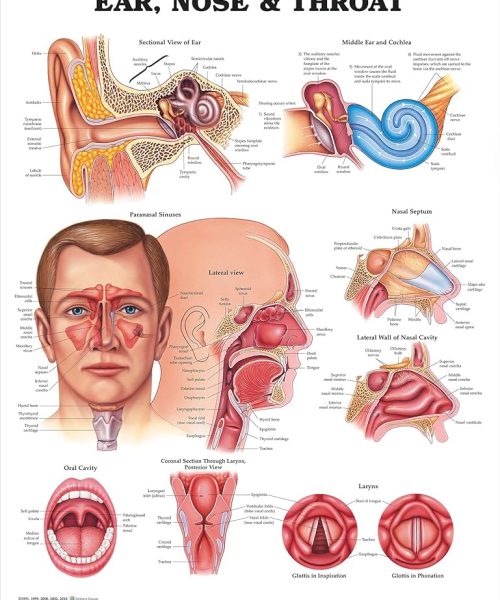
Overview
Ear, Nose, and Throat (ENT) surgery addresses disorders of the head and neck, including the ears, nasal passages, sinuses, throat, larynx, and related structures. Our ENT team provides diagnostic, medical, and surgical care using modern, evidence-based techniques.
Common Procedures
- Tonsillectomy & Adenoidectomy
- Functional Endoscopic Sinus Surgery (FESS)
- Myringotomy with ear tube insertion
- Septoplasty & Turbinate reduction
- Thyroid and parathyroid surgery
- Laryngoscopy and voice surgery
- Head & neck tumor resection and reconstruction
Indications
- Chronic or recurrent infections (ear, sinus, throat)
- Obstructive breathing or nasal block
- Hearing loss due to middle-ear disease
- Persistent hoarseness or voice changes
- Thyroid nodules or neck masses
- Benign or malignant tumors of head and neck
Before Surgery
- Complete ENT evaluation and any required imaging (CT, MRI, endoscopy, audiometry)
- Review of medical history, medications and allergies
- Pre-operative blood tests as indicated
- Fasting for 6–8 hours prior to procedures requiring general anesthesia
- Instructions regarding temporary cessation of certain medications (e.g., anticoagulants)
During the Procedure
Most ENT procedures are performed under general anesthesia. Some minor procedures may be done under local anesthesia or conscious sedation. Minimally invasive endoscopic techniques are used when appropriate to reduce recovery time and improve outcomes.
After Surgery — Postoperative Care
Postoperative instructions vary by procedure. General recommendations include:
- Rest and limited activity for 24–72 hours after surgery
- Soft diet after throat procedures; avoid hot or spicy foods initially
- Keep head elevated to reduce swelling after nasal or sinus surgery
- Avoid nose blowing for 1–2 weeks after sinus or septal surgery
- Follow wound care and ear care instructions provided by the surgical team
- Attend all scheduled follow-up and endoscopic debridement visits if applicable
Possible Complications
- Bleeding or hematoma
- Infection
- Temporary or, rarely, permanent changes in taste, smell or voice
- Scar formation or nasal crusting
- Need for revision surgery in select cases
When to Contact Your Doctor
- Heavy or persistent bleeding
- High fever or signs of infection
- Difficulty breathing or severe throat swelling
- Sudden hearing loss or severe ear pain
- Worsening or uncontrolled pain