Endoscopy & Colonoscopy | Ghaem Hospital

Endoscopy & Colonoscopy

Ghaem Hospital Gastrointestinal Diagnostic & Therapeutic Services

About the Procedure

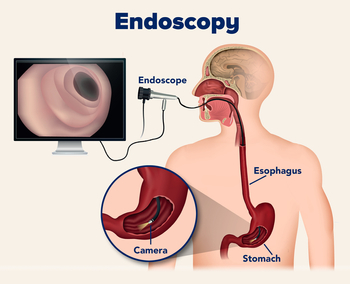
Endoscopy and colonoscopy are minimally invasive procedures used to examine the digestive tract. An endoscopy allows physicians to view the upper GI tract, including the esophagus, stomach, and the first part of the small intestine. A colonoscopy is performed to examine the large intestine and rectum. These procedures help diagnose conditions such as ulcers, inflammation, polyps, bleeding, and tumors.

Common Reasons for Endoscopy & Colonoscopy

  • Chronic abdominal pain
  • Difficulty swallowing
  • Gastrointestinal bleeding
  • Persistent heartburn
  • Chronic diarrhea or constipation
  • Screening for colon cancer
  • Removal of polyps

Before the Procedure

Endoscopy Preparation:

  • Fasting for at least 6–8 hours before the procedure
  • Discuss all medications with your doctor
  • Avoid smoking before the procedure

Colonoscopy Preparation:

  • Complete bowel cleansing as instructed
  • Follow the clear-liquid diet 24 hours before the procedure
  • Stop certain medications if recommended by your physician
  • Arrange transportation home after sedation

After the Procedure (Post-Operative Care)

Both endoscopy and colonoscopy are generally safe with quick recovery times. Some mild discomfort may occur depending on the procedure.

Post-Endoscopy Guidelines:

  • Do not eat until throat numbness wears off
  • Start with light meals
  • Avoid driving for 12–24 hours if sedatives were used
  • Report persistent sore throat, chest pain, or vomiting

Post-Colonoscopy Guidelines:

  • Mild bloating or gas is normal
  • Avoid heavy meals for the first day
  • Do not drive for 24 hours after sedation
  • Contact your doctor if you notice severe abdominal pain or bleeding

When to Contact Your Doctor

  • Severe or worsening abdominal pain
  • High fever
  • Vomiting blood
  • Persistent dizziness or weakness
  • Heavy rectal bleeding