ERCP | Ghaem Hospital

Endoscopic Retrograde Cholangiopancreatography (ERCP)

Ghaem Hospital Advanced Gastrointestinal Procedures

About the Procedure

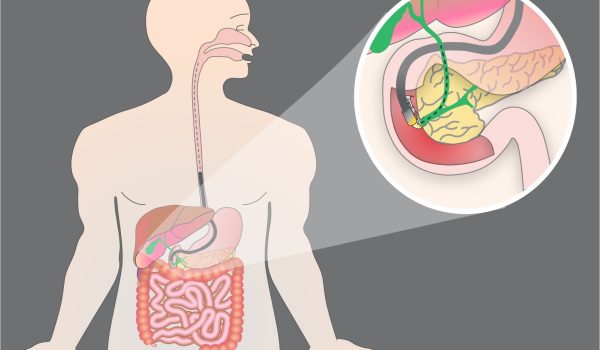
ERCP (Endoscopic Retrograde Cholangiopancreatography) is a specialized procedure that combines endoscopy and X-ray imaging to diagnose and treat conditions affecting the bile ducts, gallbladder, pancreas, and liver. A flexible endoscope is inserted through the mouth into the digestive tract, allowing the physician to access and treat blocked or narrowed ducts, remove stones, or place stents.

Common Reasons for ERCP

  • Bile duct obstruction
  • Gallstones in the bile duct
  • Pancreatic duct blockage
  • Suspected tumors of the bile duct or pancreas
  • Diagnosis and treatment of chronic pancreatitis
  • Management of bile leaks

Before the Procedure

  • Fasting for at least 6–8 hours prior to the procedure
  • Inform your doctor about medications, allergies, and medical history
  • Blood tests may be required before ERCP
  • Arrange transportation home, as sedatives will be used

After the Procedure (Post-Operative Care)

Recovery from ERCP is usually quick, but monitoring is required depending on treatment performed.

  • Avoid eating for several hours until swallowing is comfortable
  • Start with liquids and light meals
  • Mild sore throat or bloating is normal
  • Avoid driving for 24 hours after sedation
  • Take all prescribed medications as instructed

Possible Complications

  • Pancreatitis (most common)
  • Infection of bile ducts
  • Bleeding
  • Allergic reaction to contrast dye
  • Perforation (rare)

When to Contact Your Doctor

  • Severe abdominal pain
  • Fever or chills
  • Vomiting
  • Persistent bleeding
  • Yellowing of the skin or eyes (jaundice)